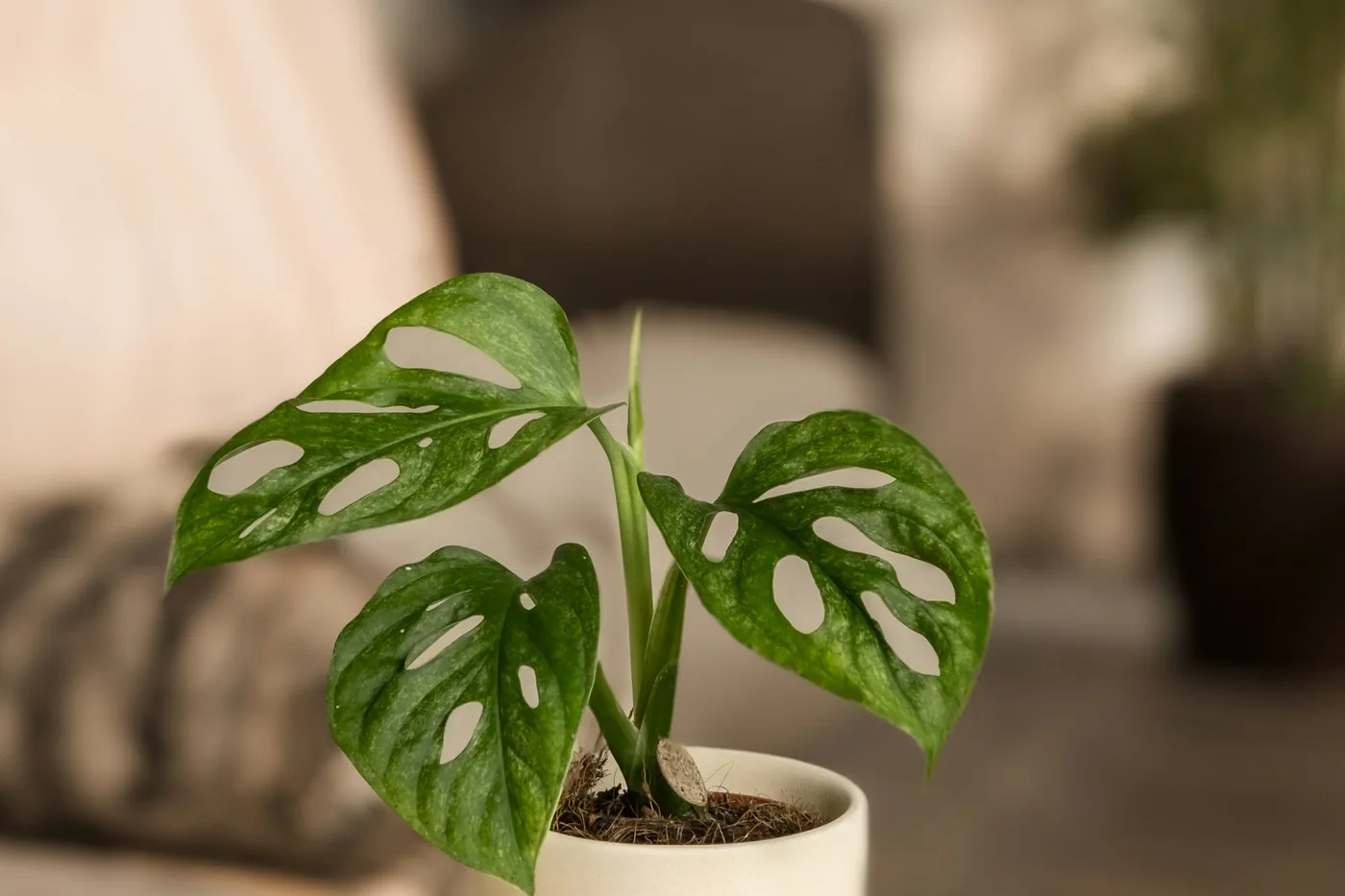
Swiss Cheese Vine
Monstera adansonii
Toxic to cats and dogs
A trailing cousin of the Swiss cheese plant, with smaller, hole-filled leaves. Let the top few centimetres dry between waterings; bright indirect light and humidity keep it lush. Toxic to pets.
Toxicity
Toxic Usually mild
Signs, in the ASPCA's words
Oral irritation, intense burning and irritation of mouth, tongue and lips, excessive drooling, vomiting, difficulty swallowing.
Toxic Usually mild
Signs, in the ASPCA's words
Oral irritation, intense burning and irritation of mouth, tongue and lips, excessive drooling, vomiting, difficulty swallowing.
Caution
Based on general horticultural consensus, not a pet-poison database.
Pet-safety information is a general guide from the ASPCA's toxic-plant database and covers cats and dogs only. "If eaten" summarises the symptoms ASPCA lists for that plant; how an animal actually reacts depends on how much it ate and on the animal. It isn't exhaustive, isn't veterinary advice, and individual animals vary — never rely on it as the sole basis for a decision about your pet. If you think your pet has eaten a harmful plant, contact a vet immediately.
Care
- WaterEvery 7–10 days
- LightBright, indirect
- HumidityHigh humidity
- Temperature18–27 °C
The same interval the Sabz app schedules reminders from. In autumn and winter the app stretches it; see houseplants in autumn.
Common problems
Monstera adansonii yellow leaves
Yellow leaves, lowest first, with damp compost, are overwatering. It wants to dry out a few centimetres down between drinks — every seven to ten days in summer, less in winter — and the pot must drain. Let it dry, and expect the yellowing to stop within a few weeks.
Monstera adansonii brown crispy edges
Crisp brown edges are low humidity, or compost that has dried out fully. Keep it lightly moist, group it with other plants or stand it on a wet gravel tray, and keep it away from radiators once the heating is on.
Monstera adansonii leaves small without holes
New leaves coming in small and solid, without the holes, mean not enough light — the holes are a light response. Move it to bright, indirect light and give it something to climb; it makes larger, holed leaves as it goes up rather than trailing down.
Similar plants
- Monstera (Swiss Cheese Plant) toxicMonstera deliciosa
- Areca Palm safeDypsis lutescens
- Croton toxicCodiaeum variegatum
- Queen's Spiderwort safeDichorisandra reginae
In the app
Add a swiss cheese vine to Sabz and the watering interval above becomes a reminder, the toxicity verdict sits on the plant's own page, and when a leaf turns, the Check-up reads what you have actually logged to say why.
 Free. No account, no analytics.