Chrysanthemum
Chrysanthemum morifolium
Toxic to cats and dogs
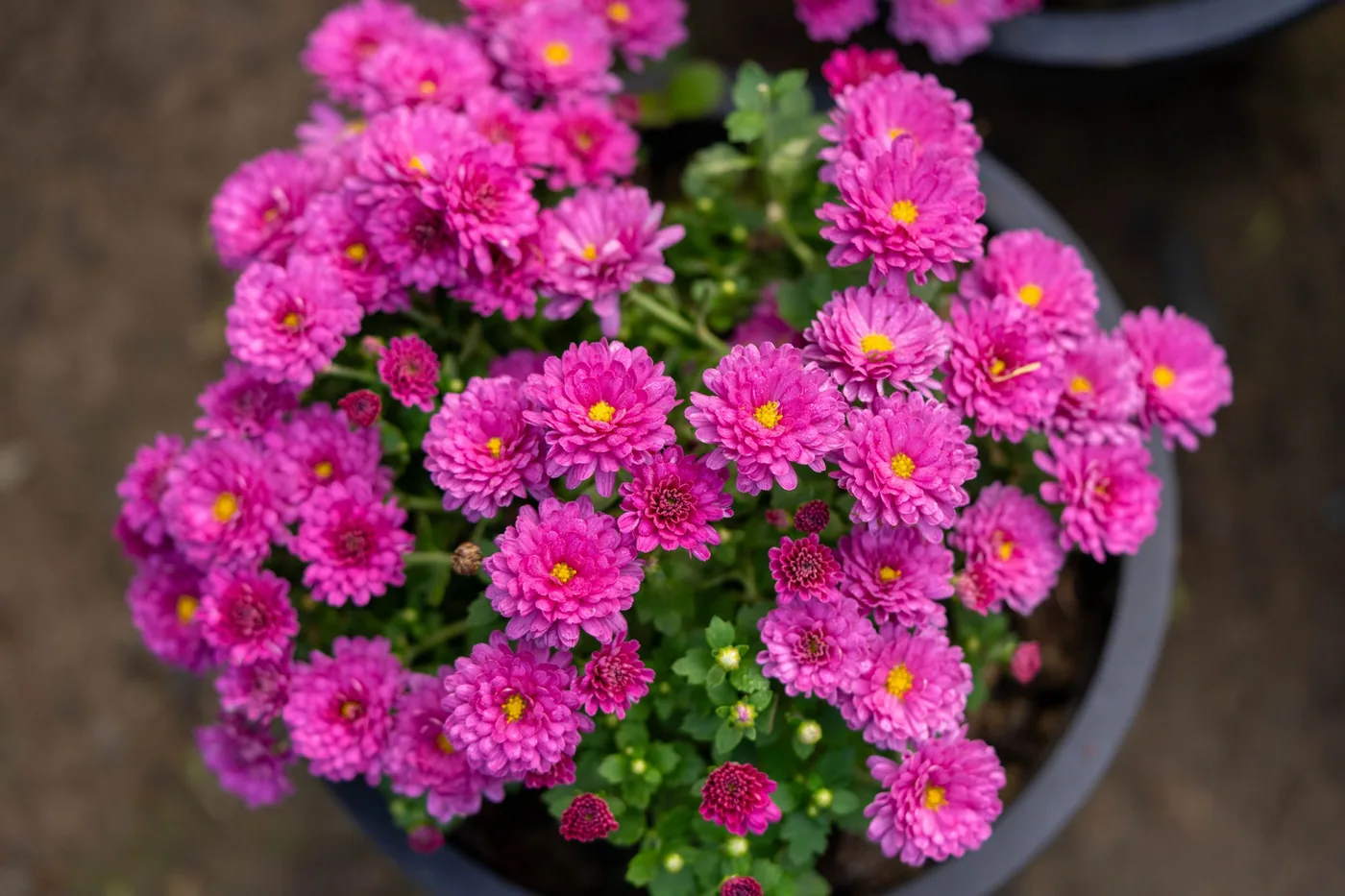
A cheerful autumn bloomer for a pot or balcony. Keep evenly moist while flowering and give it good light. Toxic to cats and dogs — contains pyrethrins.
Toxicity
Toxic Usually mild
Signs, in the ASPCA's words
Vomiting, diarrhea, hypersalivation, incoordination, dermatitis
Toxic Usually mild
Signs, in the ASPCA's words
Vomiting, diarrhea, hypersalivation, incoordination, dermatitis
Source — ASPCA Animal Poison Control Center, toxic and non-toxic plant list; read from this species' own page
Pet-safety information is a general guide from the ASPCA's toxic-plant database and covers cats and dogs only. "If eaten" summarises the symptoms ASPCA lists for that plant; how an animal actually reacts depends on how much it ate and on the animal. It isn't exhaustive, isn't veterinary advice, and individual animals vary — never rely on it as the sole basis for a decision about your pet. If you think your pet has eaten a harmful plant, contact a vet immediately.
Care
- WaterEvery 5–7 days
- LightBright, indirect
- HumidityAverage humidity
- Temperature10–24 °C
The same interval the Sabz app schedules reminders from. In autumn and winter the app stretches it; see houseplants in autumn.
Common problems
- Wilting — thirsty; mums dry out quickly in bloom — Underwatering →
- Fewer flowers next year — needs pinching back through summer
- Leggy growth — not enough light
Similar plants
- Cyclamen toxicCyclamen persicum
- Easter Lily toxicLilium longiflorum
- Gloriosa Lily toxicGloriosa superba
- Hydrangea toxicHydrangea macrophylla
In the app
Add a chrysanthemum to Sabz and the watering interval above becomes a reminder, the toxicity verdict sits on the plant's own page, and when a leaf turns, the Check-up reads what you have actually logged to say why.
 Free. No account, no analytics.