Guides · Propagation · Plantlets
How do you root spider plant babies and other plantlets?
A plantlet is a finished plant the parent is holding out away from itself, waiting for it to touch ground. It is also still being fed — which is why rooting it while it is attached works every time, and why a glass of water on the windowsill is the slow way round.
- The rule
- Root it attached. Cut afterwards
- Not water
- Water roots are brittle and check again when potted
- When to cut
- When a gentle tug meets resistance, and not before
What a plantlet is
A plantlet is a complete small plant that the parent has made somewhere other than its base — on the end of a runner, along a stem, or on the surface of a leaf.
It is closer to an offset than to a cutting: the plant has already done the work, and it arrives with leaves, a growing point and usually the beginnings of roots. The difference is that an offset sits at the parent's base in the same pot, while a plantlet is held out away from it, which changes exactly one thing about how you treat it.
It is still being fed. That is the fact the whole page rests on.
The three kinds
- RunnersA long arching stem with a plantlet at the end — spider plants, strawberries
- StolonsThin creeping stems that root as they travel — lace flower vine, many ferns
- BulbilsSmall plants formed on the leaf itself — mother fern, and some lilies on the stem
They behave identically for our purposes. In every case the parent has built a new plant and is holding it somewhere it might reach soil, because in the wild that is exactly what happens: the runner arches over, the plantlet touches ground, it roots, the connection withers, and there are now two plants a foot apart.
All you are doing is providing the ground.
The one rule: root it attached
Root the plantlet while it is still joined to the parent. Then cut.
This is the same logic as layering, and it is the difference between a method that works every time and one that works most of the time. A plantlet severed first has to survive on nothing while it roots. A plantlet still attached is being watered and fed throughout, and literally cannot fail from thirst.
So: a small pot of compost beside the parent, the plantlet resting on it, pinned with a hairpin or a bent paperclip if it will not stay put. Keep the compost damp. Do nothing else for a few weeks.
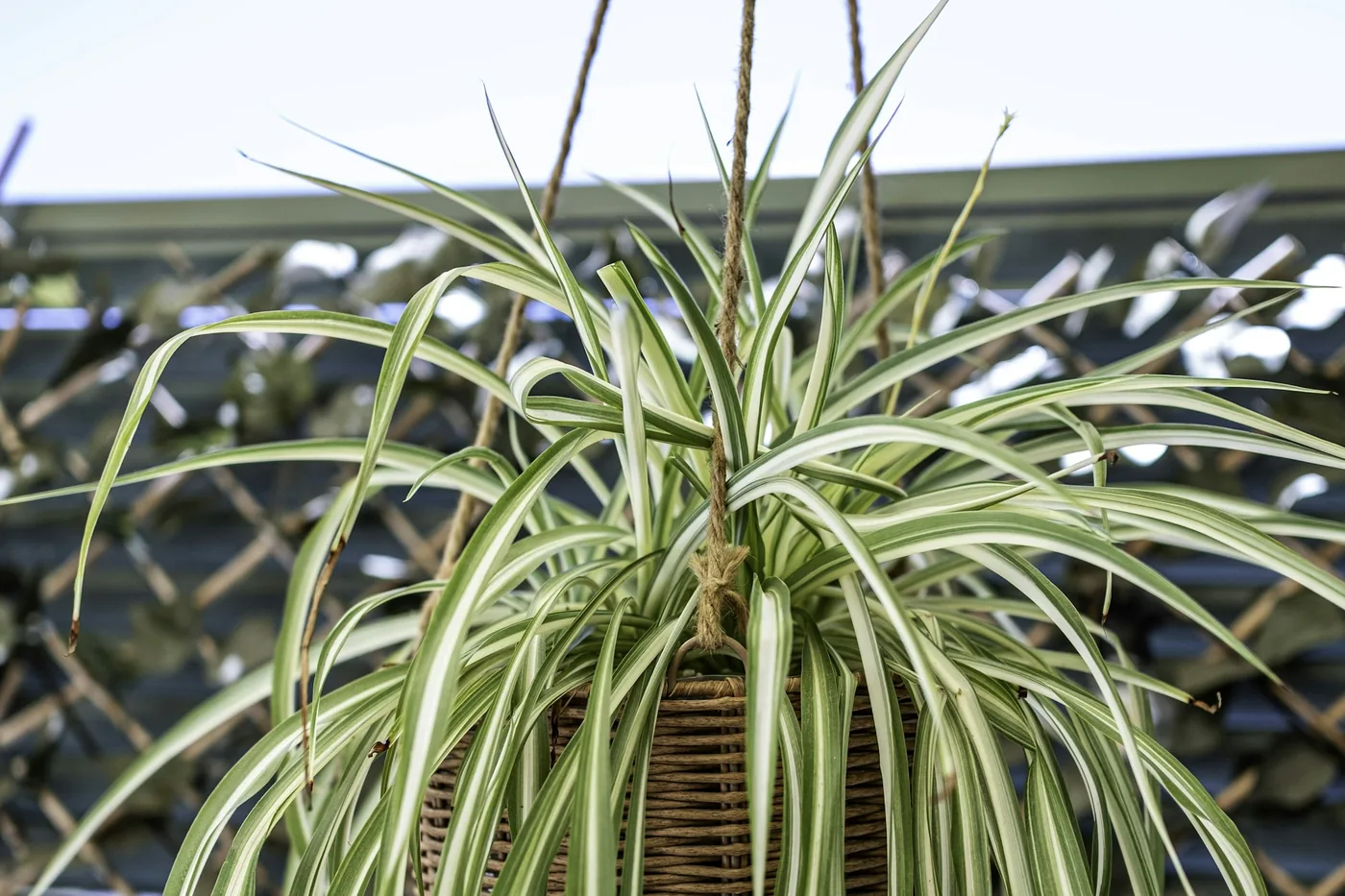
Spider plants
The plant most people meet this method on, and the one most often done the slow way.
Cutting the babies off and standing them in a glass of water does work. It also makes water roots, which are thicker, more brittle and poorly adapted to compost, so the plantlet checks a second time when you finally pot it. Rooting it directly into compost while attached skips that entirely.
A spider plant produces runners when it is slightly pot-bound and getting decent light. One that has just been potted on generously will spend a season making roots instead, and one in a dim corner may never produce them at all — which is the usual answer to "why has mine never had babies?".
Strawberry runners
Same method, one extra decision: a plant making runners is not making fruit.
Pick a role for each plant. On the ones you are cropping, cut the runners off as they appear. On one or two kept for propagation, let them run and peg the plantlets into pots sunk beside the parent in summer, then sever in early autumn and plant them out.
Strawberries are worth doing this with deliberately rather than casually, because the plants decline after their third year and a bed kept going on its own runners is a bed that never has to be bought again.
Ferns that make babies on their leaves
A mother fern is named for it: small ferns appear along the upper surface of the fronds, each a complete plant.
The method is the same inverted — instead of bringing the pot to the plantlet, you bring the frond to the pot. Pin a bulbil-bearing frond flat onto a tray of damp compost, cover it to hold humidity, and leave it. The bulbils root where they touch and can be lifted off individually once they have a few fronds of their own.
This is not the same as growing a fern from spores, which is a longer and stranger business, and the only option on ferns that make neither bulbils nor offsets.
When to cut the cord
Tug the plantlet very gently. If it resists, it has rooted and the runner can be cut. If it lifts, wait a week or two.
There is no cost to waiting. While the connection is intact the parent is doing the work, and a plantlet left attached for an extra month is simply a better-rooted plantlet. Every failure in this method is a cut made too early.
Cut the runner close to the plantlet, and then close to the parent as well so you are not left with a withering stem across the pot.
Common questions
Should I cut the spider plant babies off and put them in water?
You can, and it is the slower of the two routes. A plantlet rooted in water makes water roots, which are brittle and adapt badly to compost, so it checks again when you pot it. Sit a small pot of compost next to the parent, rest the plantlet on it while it is still attached to the runner, and it roots directly into compost without ever being thirsty. Cut the runner once it has taken.
How do I know when to cut the runner?
Give the plantlet a very gentle tug. Resistance means it has rooted into the compost and the cord can go. No resistance means wait another week or two; there is no hurry, because while it is attached the parent is doing all the work. Cutting early is the only way to get this wrong.
Why has my spider plant stopped making babies?
Usually too much pot or too little light. Spider plants flower, and therefore make plantlets, when they are slightly pot-bound, so one that has just been moved into a generous pot will spend a season making roots instead. Day length matters too — the runners come with the longer days, and a plant in a dim corner may never produce them.
Do strawberry runners weaken the parent plant?
Yes, and that is the trade. A plant putting energy into runners is not putting it into fruit, which is why growers cut the runners off a cropping plant and only let them run on plants kept for propagation. Pick which you want from each plant rather than hoping for both.
What are the little plants growing on my fern's leaves?
Bulbils, and they are the fern reproducing vegetatively rather than by spores. A mother fern makes them along the upper surface of the fronds, and each one is a complete small fern. Pin the frond down onto a tray of damp compost, leave it, and they root themselves where they touch.
Plants in the catalogue grown this way
Plantlets are the primary method for 4 plants in the library. Several others make plantlets on a detached leaf rather than on the living plant, which is a leaf cutting and works differently — African violets, rex begonias and peperomias among them.
- Spider Plant Chlorophytum comosum
- Lace Flower Vine Episcia dianthiflora
- Mother Fern Asplenium bulbiferum
- Strawberry Fragaria
The method is decided by how a plant grows, not by what you would prefer. If yours is not on this list, it will be on one of the others: cuttings, seed, division, offsets and pups, layering, or ferns.
Still not sure?
The RHS's propagation advice is the general reference; this page is the houseplant and container case of it.
Sabz does not track a plantlet until it is a plant. While it is attached it is part of the parent, and the app is built around recurring care rather than projects. Once it is rooted and cut, add it and the watering interval for its species becomes a reminder. Several of the plants above are toxic to cats or dogs, and their pages say which, from that species' own ASPCA entry.
 Free to start. No account, no analytics.