Guides · Propagation · Layering
What is layering, and how do you air layer a houseplant?
A cutting is severed first and then asked to root. A layer roots first and is severed afterwards — fed and watered by the parent the whole time, so it cannot run out the way a cutting can. It trades speed for near-certainty, which is the right trade on anything difficult or irreplaceable.
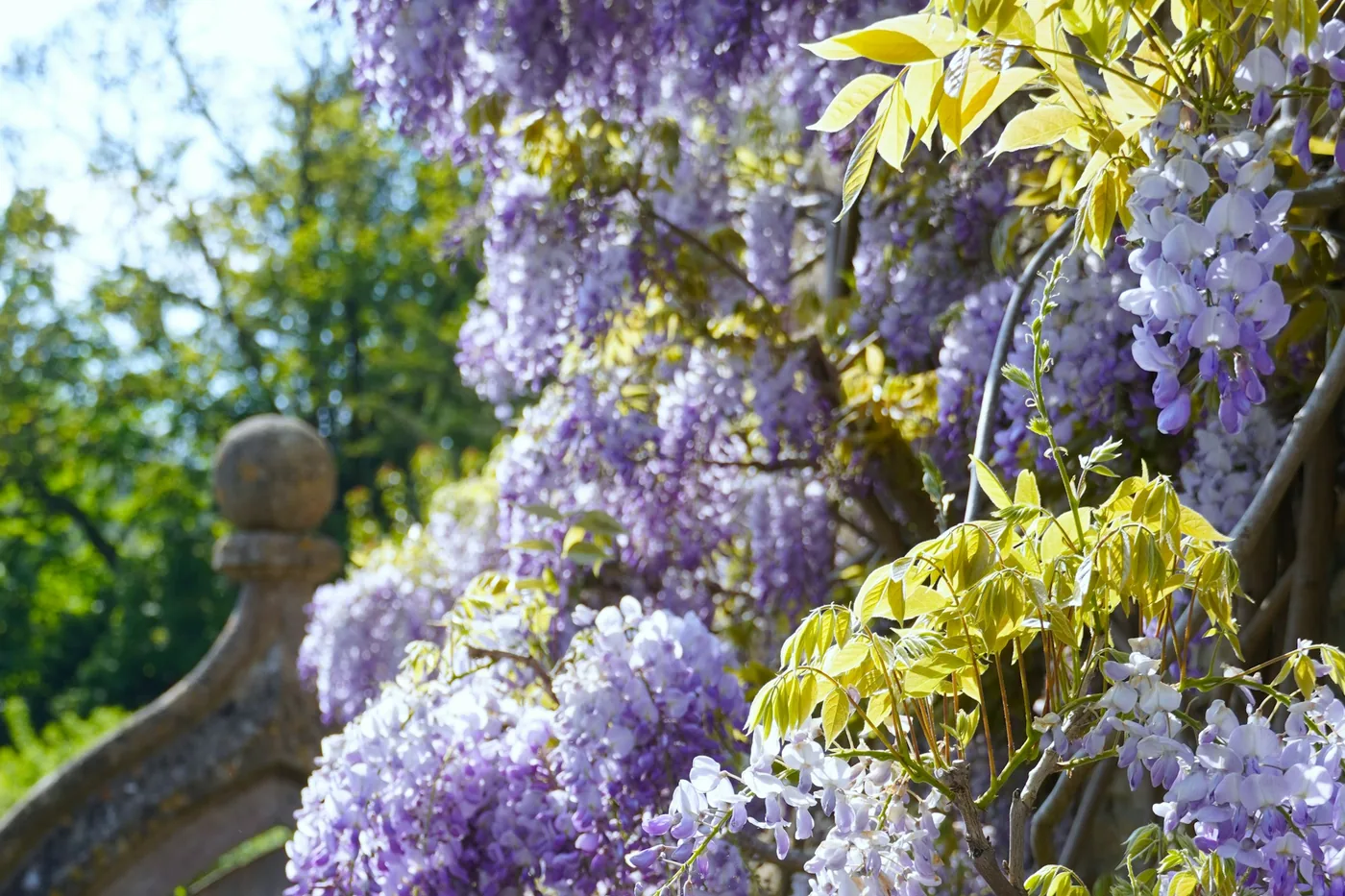
- The idea
- Root the stem while it is still attached, then cut
- Outdoors
- Peg a wounded shoot down in summer, sever the following spring
- In a pot
- Damp moss and cling film round a wounded stem; roots in 6 to 12 weeks
What layering is
Layering is rooting a stem while it is still attached to the parent, and cutting it off only once the roots are there.
Everything else follows from that one inversion. A cutting is severed first and then has to survive on a reservoir of water it cannot replace while it builds roots, which is why cuttings wilt, rot and fail. A layer is fed and watered by the parent the entire time it roots. It cannot run out.
The cost is time. A cutting succeeds or fails in a fortnight; a layer takes a season or a year. Layering trades speed for near-certainty, which is the right trade on anything difficult, valuable, or irreplaceable.
Simple layering, outdoors
For any shrub or climber with a stem long enough to reach the ground.
- 1Choose a young, flexible shoot from low on the plant
- 2Bend it to the soil and mark where it touches, about 30cm from the tip
- 3Wound the underside there: a shallow slanting cut, or a sharp twist
- 4Peg it down into the soil or a sunken pot and bury the wounded section
- 5Tie the tip to a short cane so it grows upwards
- 6Leave it. Keep the spot damp. Sever the following spring
Pegging into a sunken pot rather than open ground is worth the extra minute: when the time comes you lift a rooted plant out instead of digging one up and tearing half its roots off.
Air layering, for a plant in a pot
The same idea, applied where there is no soil to reach. You bring the compost to the stem instead of the stem to the compost.
This is the answer to the commonest houseplant problem there is: a rubber plant, a dracaena or a schefflera that has lost all its lower leaves and is a bare stick with a tuft on top. Cut the top off as a cutting and you may lose it. Air layer it and you get a well-rooted, full-sized plant, and the stump below usually reshoots as well.
- WhereJust below the lowest leaves you want to keep
- WoundRemove a ring of bark about a centimetre wide, or make an upward slanting cut and wedge it open
- WrapA fistful of damp sphagnum moss around the wound, held with cling film, sealed top and bottom
- ThenKeep the moss damp. Roots show through it in six to twelve weeks
On anything with milky sap — a rubber plant, a fig — wipe the wound until it stops bleeding before the moss goes on, or the sap seals the surface you are trying to root from.
How long, and how to tell
You are waiting for roots and you can see them, which is the quiet advantage of this method over a cutting in compost.
On an air layer, roots appear as white threads through the moss against the cling film. Wait until there are plenty and several are turning brown and branching — a first flush of two or three white roots will not support the plant once it is severed.
On a ground layer there is nothing to see, so the test is to tug the tip gently in spring. Resistance means roots. If it lifts, re-peg it and leave it another season; you have lost nothing, which is more than can be said for a failed cutting.
Severing and potting on
Cut below the roots, cleanly, in one stroke. Then treat what you have as a plant with a new and inadequate root system — because that is what it is.
Pot an air layer with the moss still around the roots; picking it out damages exactly what you have spent three months growing. A small pot, compost just damp, out of direct sun, and no feed for a month.
Some wilting in the first week is normal on an air layer, because the leaves are suddenly being supplied by roots that have never had to do the whole job. If it is severe, take a few of the oldest leaves off rather than adding water. Wet compost and a drooping plant is the pattern to watch for.
On a hard-pruned parent, sever in stages
A refinement worth knowing on anything slow or precious: instead of one cut, make a partial cut halfway through the stem below the roots, wait two or three weeks, then finish it.
The layer is weaned rather than amputated. Its own roots take up more of the load while the parent is still supplying some, and the shock on severing is far smaller. It costs you a fortnight and it is the difference between a magnolia layer that establishes and one that dies back to a stub.
When layering is the only option
Some plants cannot be had any other way at home.
A named Japanese maple is grafted. Grow it from seed and you get a maple, but not that maple — the leaf shape and the colour are the variety's, not the species'. The same is true of apples, plums and most ornamental cherries, which are grown on rootstocks chosen to control their size. A pip gives you a tree; it does not give you a Bramley on a dwarfing stock.
And wisteria from seed can take fifteen years to flower, if it ever does. A layer taken from a flowering plant carries the flowering age of its parent with it. That is the real argument for layering a woody plant: it inherits maturity, and a seedling has to earn it.
Common questions
What is the difference between layering and a cutting?
A cutting is severed first and then asked to root. A layer roots first and is severed afterwards. That is the whole difference and it is the whole advantage: a layer is still attached to the parent the entire time it is rooting, so it is being fed and watered throughout, and it cannot wilt to death the way a cutting can.
How long does layering take?
Longer than a cutting and that is the trade. Outdoors, peg a stem down in summer and sever it the following spring — about a year. Air layering a houseplant in warmth is faster, usually six to twelve weeks before roots show through the moss. Woody subjects take the longest; a wisteria or a magnolia may need a full season and will not be hurried.
What does wounding the stem do?
It interrupts the flow of sugars travelling down the stem, so they pool at the wound instead of continuing to the roots. Roots form where that sugar accumulates. A shallow slanting cut, a ring of bark removed, or a sharp twist is enough. Cut too deep and you snap the stem; do not cut at all and many plants simply will not root.
Can I air layer any houseplant?
Any plant with a stem thick enough to work on, which in practice means the ones that have gone leggy and bare at the bottom. A rubber plant, a schefflera, a dieffenbachia or an overgrown dracaena are the usual candidates, and air layering suits them precisely because it gives you a well-rooted plant with all its leaves instead of a bare cutting that might take. It does not apply to rosette plants or anything without a stem.
Why would I layer rather than just take a cutting?
Three reasons. The plant is difficult from cuttings and easy from layers, which is true of clematis and wisteria. The plant is too valuable to risk losing a cutting. Or the plant is a named variety that will not come true from seed and cannot be bought cheaply, where a layer is the only route to the same plant at home.
Plants in the catalogue layered this way
Layering is the primary method for 8 plants in the library. Several others — the rubber plant, schefflera, false aralia and tree philodendron among them — are better air layered than cut once they have gone bare at the base, and their pages say so.
- Star Jasmine Trachelospermum jasminoides
- Jasmine Jasminum species
- Clematis Clematis
- Wisteria Wisteria
- Japanese Maple Acer palmatum
- Heather Calluna vulgaris
- Apple Malus sylvestris
- Plum Prunus domestica
The method is decided by how a plant grows, not by what you would prefer. If yours is not on this list, it will be on one of the others: cuttings, seed, division, offsets and pups, plantlets and runners, or ferns.
Still not sure?
The RHS's propagation advice is the general reference; this page is the houseplant and container case of it.
Sabz will not count the weeks for you. A layer is a project with its own clock and the app is built around recurring care. What it does is keep the watering right for the parent while it is carrying a layer, and for the new plant once it is potted. Several of the plants above are toxic to cats or dogs, and their pages say which, from that species' own ASPCA entry.
 Free to start. No account, no analytics.