Asparagus Fern
Asparagus setaceus
Toxic to cats and dogs
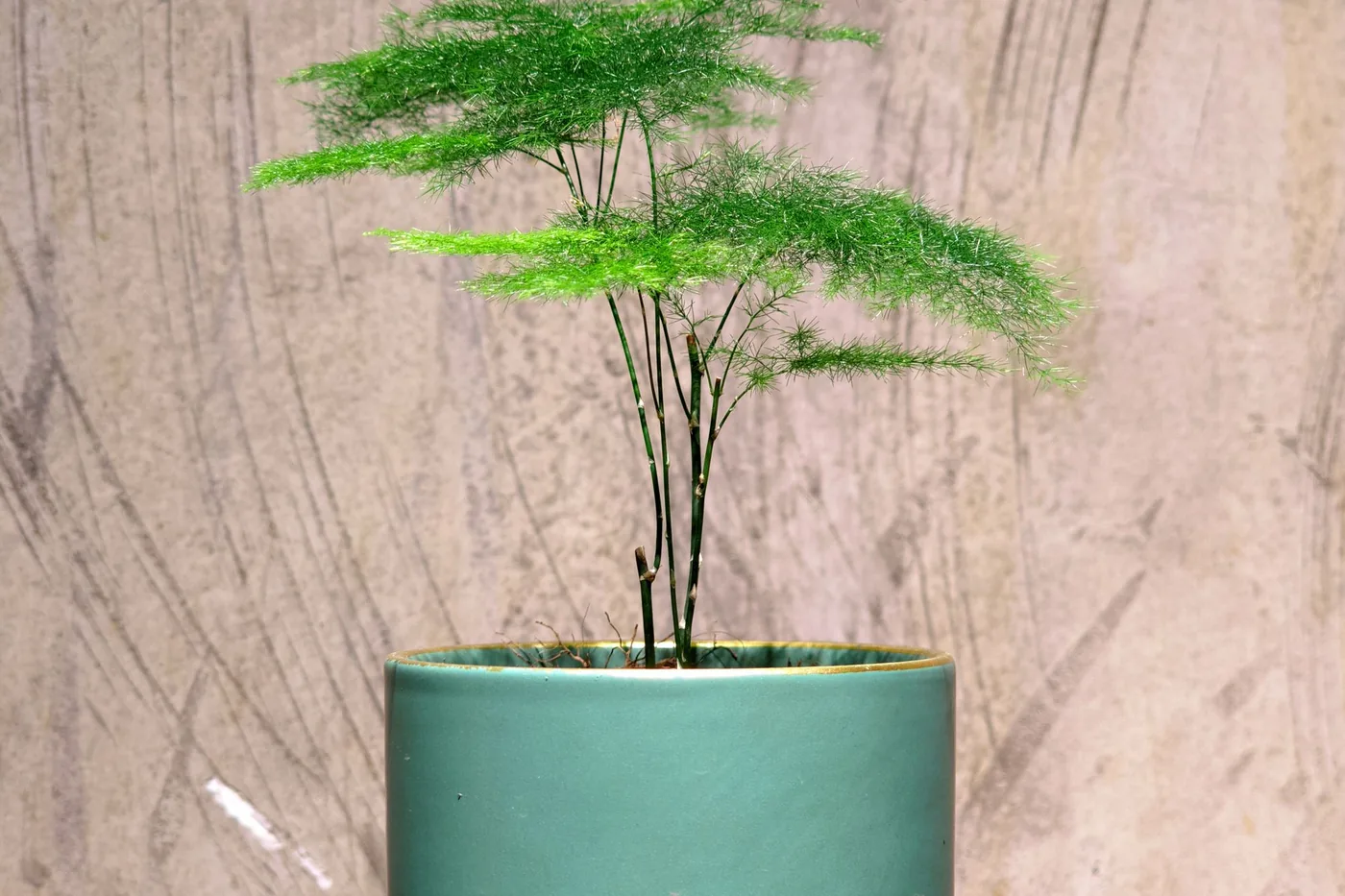
Feathery and delicate-looking but tougher than a true fern (it isn't one). Keep lightly moist and humid; bright indirect light. The berries and sap are toxic to pets.
Toxicity
Toxic Usually mild
Signs, in the ASPCA's words
Allergic dermatitis with repeated dermal exposure. Berry ingestion could result in gastric upset (vomiting, abdominal pain, or diarrhea).
Toxic Usually mild
Signs, in the ASPCA's words
Allergic dermatitis with repeated dermal exposure. Berry ingestion could result in gastric upset (vomiting, abdominal pain, or diarrhea).
Source — ASPCA Animal Poison Control Center, toxic and non-toxic plant list; read from this species' own page
Pet-safety information is a general guide from the ASPCA's toxic-plant database and covers cats and dogs only. "If eaten" summarises the symptoms ASPCA lists for that plant; how an animal actually reacts depends on how much it ate and on the animal. It isn't exhaustive, isn't veterinary advice, and individual animals vary — never rely on it as the sole basis for a decision about your pet. If you think your pet has eaten a harmful plant, contact a vet immediately.
Care
- WaterEvery 5–7 days
- LightBright, indirect
- HumidityHigh humidity
- Temperature15–24 °C
The same interval the Sabz app schedules reminders from. In autumn and winter the app stretches it; see houseplants in autumn.
Common problems
- Yellowing, dropping needles — dry air or underwatering — Underwatering →
- Browning fronds — too much direct sun
- Sharp spurs on older stems — normal; handle with care
Similar plants
- Areca Palm safeDypsis lutescens
- Croton toxicCodiaeum variegatum
- Elephant Ear (Alocasia) toxicAlocasia x amazonica
- Venus Flytrap safeDionaea muscipula
In the app
Add a asparagus fern to Sabz and the watering interval above becomes a reminder, the toxicity verdict sits on the plant's own page, and when a leaf turns, the Check-up reads what you have actually logged to say why.
 Free. No account, no analytics.