Elephant Ear (Alocasia)
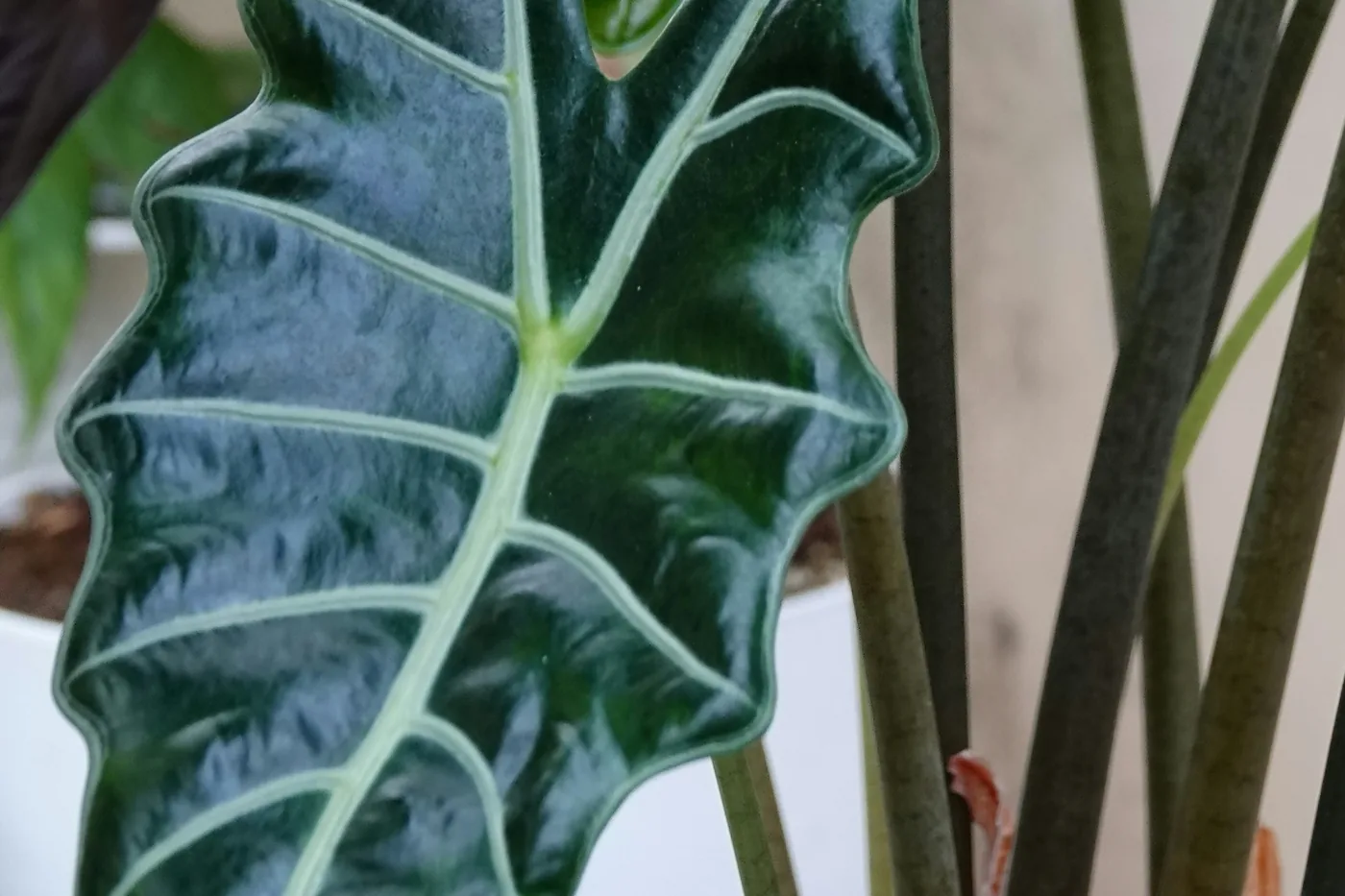
Alocasia x amazonica
Toxic to cats and dogs
Dramatic arrow leaves that want warmth, humidity, and steady moisture — never soggy, never bone dry. Dislikes cold and sudden change.
Sabz turns the interval below into a reminder, and the Check-up reads your care history when a leaf turns. Free on the App Store →
Toxicity
Toxic Usually mild
Signs, in the ASPCA's words
Oral irritation, pain and swelling of mouth, tongue and lips, excessive drooling, vomiting (not horses), difficulty swallowing
Toxic Usually mild
Signs, in the ASPCA's words
Oral irritation, pain and swelling of mouth, tongue and lips, excessive drooling, vomiting (not horses), difficulty swallowing
Source — ASPCA Animal Poison Control Center, toxic and non-toxic plant list; read from the ASPCA's entry for the Alocasia genus
Safe alternatives to Elephant Ear (Alocasia) →The 149 plants in this library recorded non-toxic to both cats and dogs.
Is Elephant Ear (Alocasia) poisonous to cats?
Yes. Elephant Ear (Alocasia) is toxic to cats. That verdict is read from the ASPCA's own entry for this species.
Is Elephant Ear (Alocasia) safe for dogs?
No. Elephant Ear (Alocasia) is toxic to dogs. That verdict is read from the ASPCA's own entry for this species.
Is Elephant Ear (Alocasia) pet safe?
No. Toxic to cats and dogs. Sabz judges cats and dogs separately, and publishes the full list.
Pet-safety information is a general guide from the ASPCA's toxic-plant database and covers cats and dogs only. "If eaten" summarises the symptoms ASPCA lists for that plant; how an animal actually reacts depends on how much it ate and on the animal. It isn't exhaustive, isn't veterinary advice, and individual animals vary — never rely on it as the sole basis for a decision about your pet. If you think your pet has eaten a harmful plant, contact a vet immediately.
Care
- WaterEvery 5–7 days
- LightBright, indirect
- HumidityHigh humidity
- Temperature18–27 °C
The same interval the Sabz app schedules reminders from. In autumn and winter the app stretches it; see houseplants in autumn.
Common problems
- Yellowing leaves — overwatering or cold — Overwatering →
- Crispy edges — dry air
- Sudden leaf drop — often a seasonal rest; keep it warm and ease off water — Dropping leaves →
Propagation
- MethodOffsets
- Best timeSpring, when repotting
Separate the corms from the rootball. They look like small bulbs and each one makes a plant.
Similar plants
- Areca Palm safeDypsis lutescens
- Croton toxicCodiaeum variegatum
- Emerald Feather Fern toxicAsparagus densiflorus
- Monstera (Swiss Cheese Plant) toxicMonstera deliciosa
In the app
Add a elephant ear to Sabz and the watering interval above becomes a reminder, the toxicity verdict sits on the plant's own page, and when a leaf turns, the Check-up reads what you have actually logged to say why.
 Free. No account, no analytics.