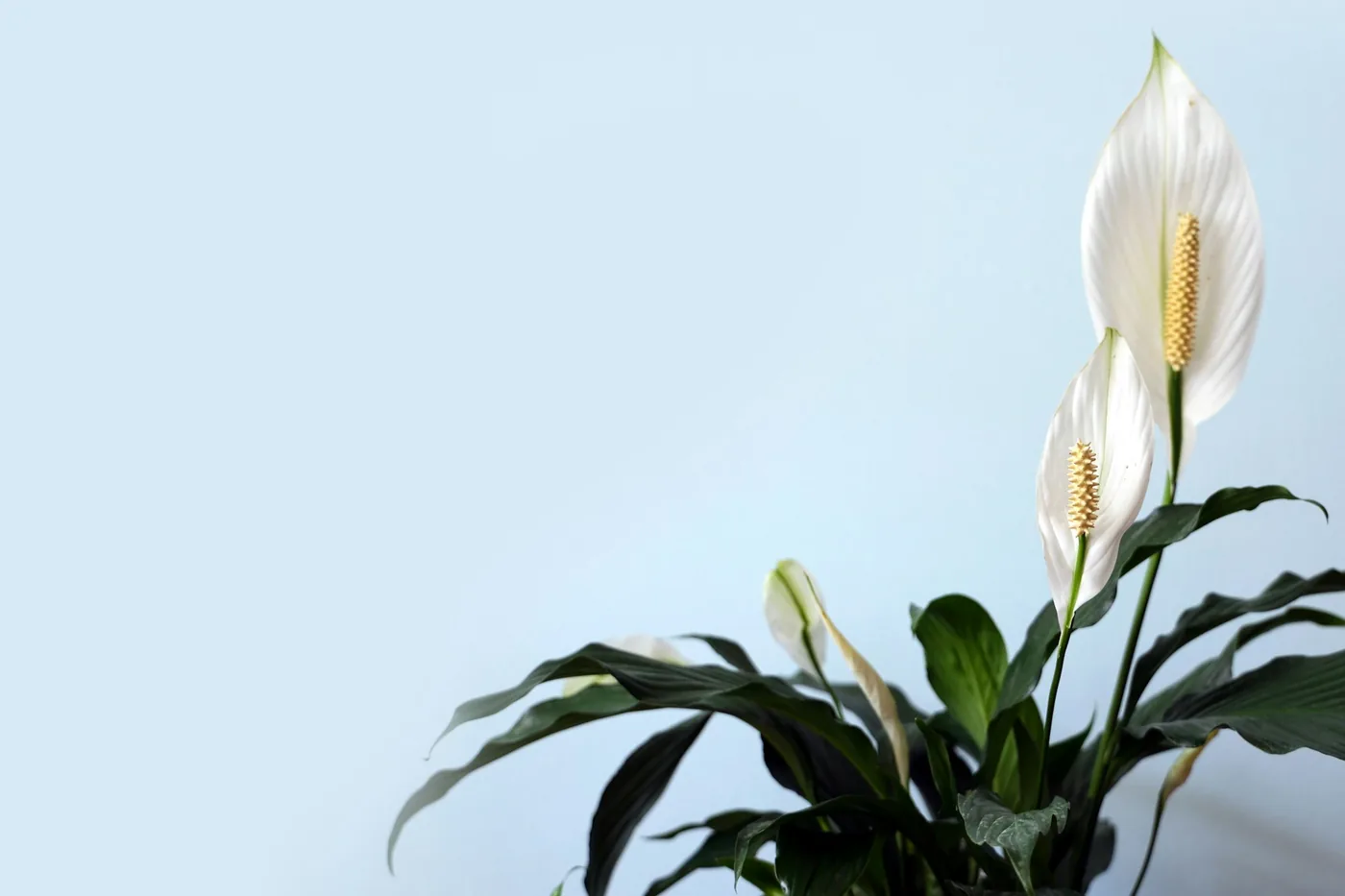
Peace Lily
Spathiphyllum wallisii
Toxic to cats and dogs
Tells you when it's thirsty by drooping dramatically, then recovers within hours of watering. Likes humidity.
Toxicity
Toxic Usually mild
Signs, in the ASPCA's words
Oral irritation, intense burning and irritation of mouth, tongue and lips, excessive drooling, vomiting, difficulty swallowing.
Toxic Usually mild
Signs, in the ASPCA's words
Oral irritation, intense burning and irritation of mouth, tongue and lips, excessive drooling, vomiting, difficulty swallowing.
Source — ASPCA Animal Poison Control Center, toxic and non-toxic plant list; read from this species' own page
Pet-safety information is a general guide from the ASPCA's toxic-plant database and covers cats and dogs only. "If eaten" summarises the symptoms ASPCA lists for that plant; how an animal actually reacts depends on how much it ate and on the animal. It isn't exhaustive, isn't veterinary advice, and individual animals vary — never rely on it as the sole basis for a decision about your pet. If you think your pet has eaten a harmful plant, contact a vet immediately.
Care
- WaterEvery 5–7 days
- LightMedium light
- HumidityHigh humidity
- Temperature18–27 °C
The same interval the Sabz app schedules reminders from. In autumn and winter the app stretches it; see houseplants in autumn.
Common problems
Peace lily drooping
A peace lily collapses dramatically when it is thirsty and stands up again within hours of a drink, which is why it is the plant people water most — and, in the end, overwater. Droop with dry compost: soak it. Droop with wet compost: do not; that is roots that can no longer drink, and it needs to dry out, not water.
Peace lily brown tips
Brown tips and edges on a peace lily are the room, not the watering: dry air once the heating comes on, or minerals in hard tap water building up over months. Move it away from radiators, use rainwater or cooled boiled water if you are in a hard-water area, and trim the tips for looks — they will not green up.
Peace lily not flowering
No flowers usually means not enough light. A peace lily survives in a dim corner but only flowers within a couple of metres of a window, out of direct sun. Brighter light and a rest from feeding over winter, then a weak feed from March, is what brings the white spathes back — usually in spring.
Similar plants
- Arrowhead Plant toxicSyngonium podophyllum
- Nerve Plant safeFittonia albivenis
- Prayer Plant (Calathea) safeGoeppertia orbifolia
- Prayer Plant (Maranta) safeMaranta leuconeura
In the app
Add a peace lily to Sabz and the watering interval above becomes a reminder, the toxicity verdict sits on the plant's own page, and when a leaf turns, the Check-up reads what you have actually logged to say why.
 Free. No account, no analytics.