English Ivy
Hedera helix
Toxic to cats and dogs
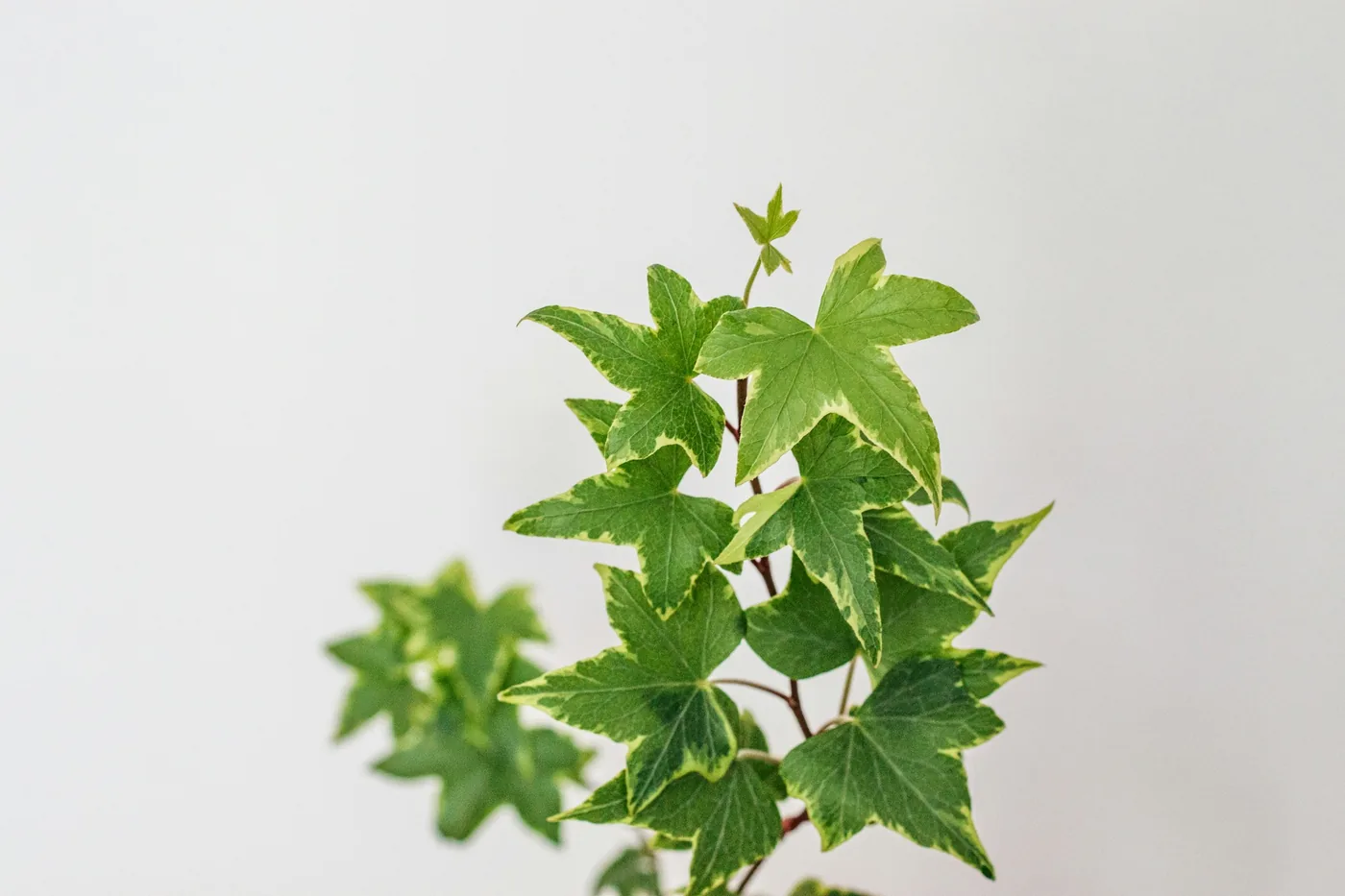
A fast, trailing climber that likes cooler rooms and steady moisture. Tolerant and vigorous — pinch back to keep it in bounds. Toxic to cats and dogs.
Toxicity
Toxic Usually mild
Signs, in the ASPCA's words
Vomiting, abdominal pain, hypersalivation, diarrhea. Foliage is more toxic than berries
Toxic Usually mild
Signs, in the ASPCA's words
Vomiting, abdominal pain, hypersalivation, diarrhea. Foliage is more toxic than berries
Source — ASPCA Animal Poison Control Center, toxic and non-toxic plant list; read from this species' own page
Pet-safety information is a general guide from the ASPCA's toxic-plant database and covers cats and dogs only. "If eaten" summarises the symptoms ASPCA lists for that plant; how an animal actually reacts depends on how much it ate and on the animal. It isn't exhaustive, isn't veterinary advice, and individual animals vary — never rely on it as the sole basis for a decision about your pet. If you think your pet has eaten a harmful plant, contact a vet immediately.
Care
- WaterEvery 5–7 days
- LightBright, indirect
- HumidityAverage humidity
- Temperature10–21 °C
The same interval the Sabz app schedules reminders from. In autumn and winter the app stretches it; see houseplants in autumn.
Common problems
Ivy leaves brown and crispy
Crisp brown leaves on an indoor ivy are dry air and compost that has been allowed to dry right out — outdoors it never lacks either. Keep it lightly moist, every five to seven days in summer, and away from radiators; a cool, bright room suits it far better than a warm one. Cut the crisped stems back; it regrows from the base.
Ivy leggy with sparse leaves
Long bare stems with small, widely spaced leaves are an ivy reaching for light. It wants bright, indirect light and tolerates some direct sun in winter. Move it, then pinch the growing tips back regularly — it branches from every pinch and fills in within a season.
Ivy spider mites
A speckled, dusty look to the leaves, fine webbing where leaf meets stem, and a general dullness is spider mite, which ivy gets in every warm, dry room. Check the undersides with a torch, wash the whole plant under the shower, raise the humidity, and repeat weekly until the speckling stops. Cool, moist air is the cure; the mites are the symptom.
Similar plants
- Coleus toxicPlectranthus scutellarioides
- Inch Plant toxicTradescantia zebrina
- Spider Plant safeChlorophytum comosum
- Sago Palm toxicCycas revoluta
In the app
Add a english ivy to Sabz and the watering interval above becomes a reminder, the toxicity verdict sits on the plant's own page, and when a leaf turns, the Check-up reads what you have actually logged to say why.
 Free. No account, no analytics.