Plant library / Succulents & cacti
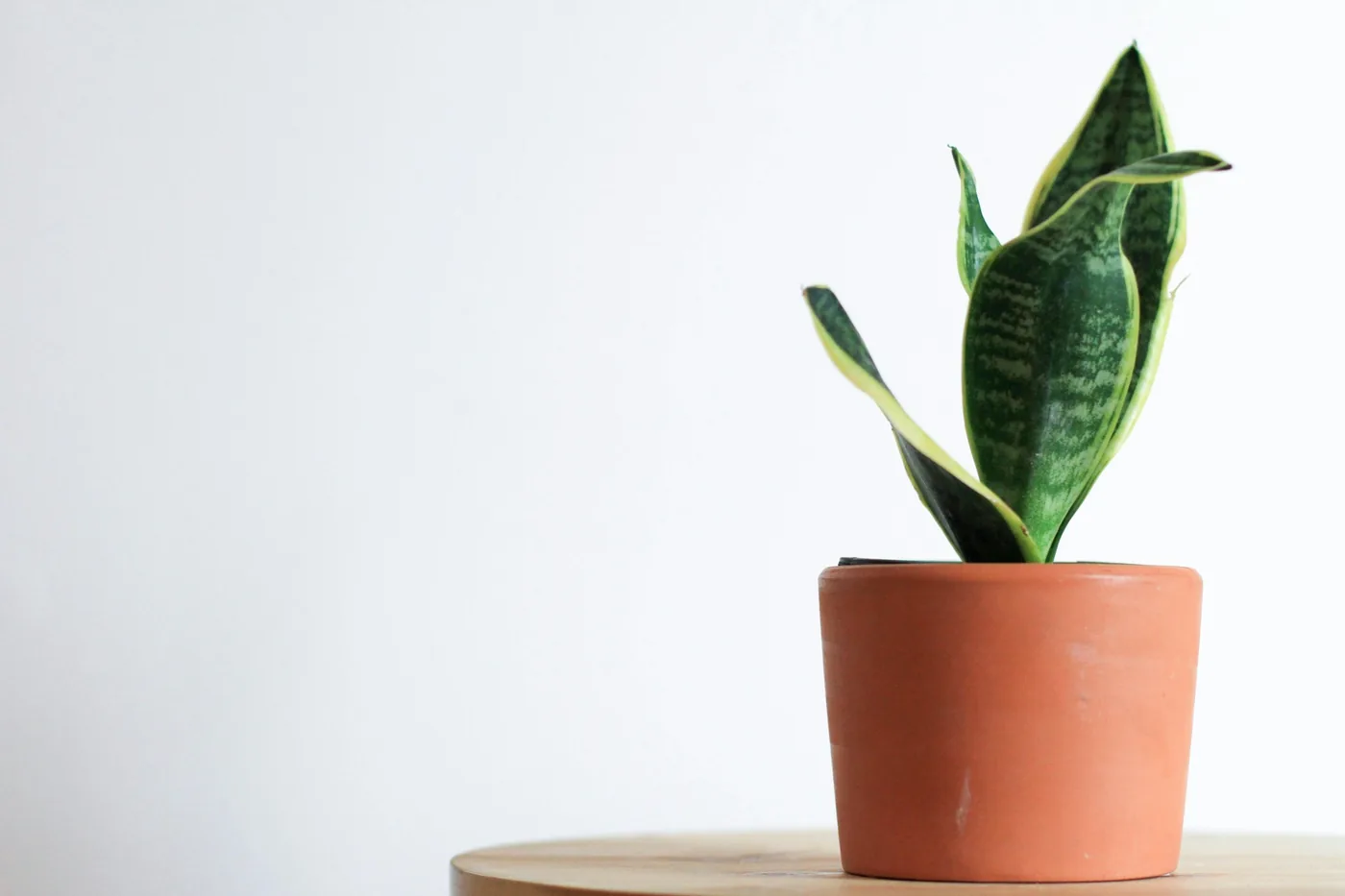
Snake Plant
Dracaena trifasciata
Toxic to cats and dogs
Thrives on neglect. Water sparingly and only when fully dry — far more die from overwatering than under.
Toxicity
Toxic Usually mild
Signs, in the ASPCA's words
Nausea, vomiting, diarrhea.
Toxic Usually mild
Signs, in the ASPCA's words
Nausea, vomiting, diarrhea.
Source — ASPCA Animal Poison Control Center, toxic and non-toxic plant list; read from this species' own page
Pet-safety information is a general guide from the ASPCA's toxic-plant database and covers cats and dogs only. "If eaten" summarises the symptoms ASPCA lists for that plant; how an animal actually reacts depends on how much it ate and on the animal. It isn't exhaustive, isn't veterinary advice, and individual animals vary — never rely on it as the sole basis for a decision about your pet. If you think your pet has eaten a harmful plant, contact a vet immediately.
Care
- WaterEvery 14–21 days
- LightLow light
- HumidityLow humidity
- Temperature15–29 °C
The same interval the Sabz app schedules reminders from. In autumn and winter the app stretches it; see houseplants in autumn.
Common problems
Snake plant leaves soft and mushy
Soft, mushy leaves, often at the base and often with a smell, are root rot from overwatering — the single way a snake plant dies. It stores water in its leaves and wants a drink every two to three weeks at most, less in winter. Cut away anything soft, let the roots dry, repot into gritty compost, and water when the pot is fully dry.
Snake plant leaves wrinkled and curling
Wrinkled, inward-curling leaves mean the plant has used up its stored water — genuine neglect, which takes months. Give it one thorough soak, let it drain, and it will plump up within a couple of weeks. Do not follow the soak with a routine; it is the routine that kills them.
Snake plant falling over
Leaves flopping outwards or the whole plant leaning is either too little light — the leaves stretch and weaken — or roots that have rotted and no longer anchor it. Check the base: firm means light, soft means rot. Snake plants tolerate low light but stand up straighter in bright indirect light.
Similar plants
- Aloe Vera toxicAloe vera
- Echeveria safeEcheveria elegans
- Hens and Chicks safeSempervivum tectorum
- Jade Plant toxicCrassula ovata
In the app
Add a snake plant to Sabz and the watering interval above becomes a reminder, the toxicity verdict sits on the plant's own page, and when a leaf turns, the Check-up reads what you have actually logged to say why.
 Free. No account, no analytics.