Plant library / Succulents & cacti
Aloe Vera
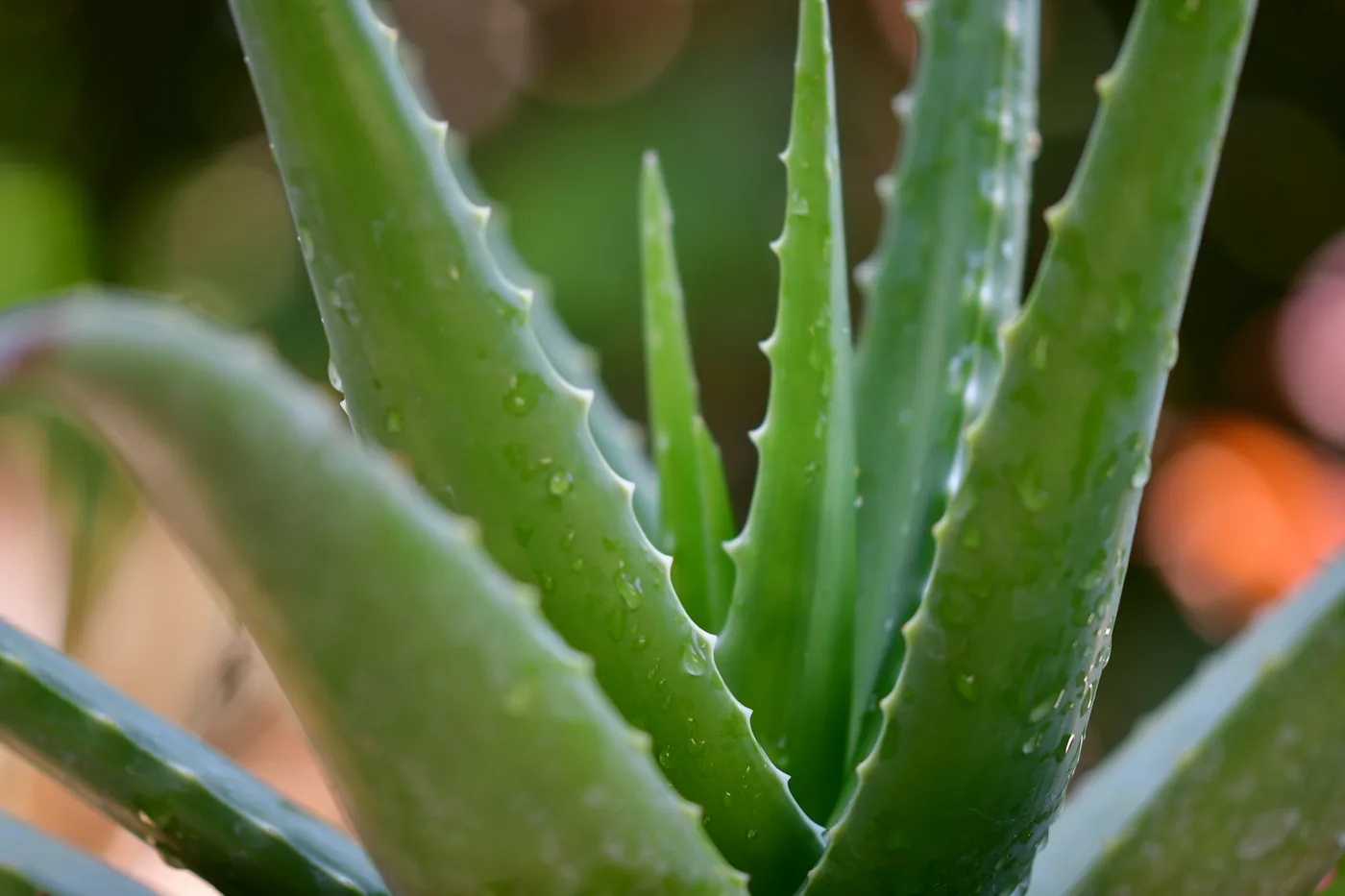
Aloe vera
Toxic to cats and dogs
A sun-loving succulent. Water deeply but rarely, letting the soil dry out fully. Loves a bright windowsill.
Toxicity
Toxic Usually mild
Signs, in the ASPCA's words
Vomiting (not horses), lethargy, diarrhea. The gel is considered edible.
Toxic Usually mild
Signs, in the ASPCA's words
Vomiting (not horses), lethargy, diarrhea. The gel is considered edible.
Source — ASPCA Animal Poison Control Center, toxic and non-toxic plant list; read from this species' own page
Pet-safety information is a general guide from the ASPCA's toxic-plant database and covers cats and dogs only. "If eaten" summarises the symptoms ASPCA lists for that plant; how an animal actually reacts depends on how much it ate and on the animal. It isn't exhaustive, isn't veterinary advice, and individual animals vary — never rely on it as the sole basis for a decision about your pet. If you think your pet has eaten a harmful plant, contact a vet immediately.
Care
- WaterEvery 14–21 days
- LightDirect sun
- HumidityLow humidity
- Temperature13–27 °C
The same interval the Sabz app schedules reminders from. In autumn and winter the app stretches it; see houseplants in autumn.
Common problems
Aloe vera leaves soft and mushy
Soft, translucent, mushy leaves are an aloe that has been overwatered and is rotting from the roots up. Stop watering, take it out of the pot, cut away everything soft, let the plant dry for a few days, and repot into gritty cactus compost. Water every two to three weeks in summer and hardly at all in winter.
Aloe vera leaves thin and curling
Thin, flat leaves curling inwards are the plant using its stored water — it has gone genuinely dry for a long time. One thorough soak, drained fully, and the leaves fill out within a fortnight. Then back to occasional watering; an aloe would rather be forgotten than fussed over.
Aloe vera stretching and pale
An aloe growing long, thin, pale leaves that flop outwards instead of standing up is reaching for light. It wants the brightest spot in the house, a south or west windowsill, and will scorch only if moved there suddenly from shade. Turn the pot every week or two so it grows evenly.
Similar plants
- Cushion Aloe safeAloe retusa
- Echeveria safeEcheveria elegans
- Hens and Chicks safeSempervivum tectorum
- Ghost Plant safeGraptopetalum paraguayense
In the app
Add a aloe vera to Sabz and the watering interval above becomes a reminder, the toxicity verdict sits on the plant's own page, and when a leaf turns, the Check-up reads what you have actually logged to say why.
 Free. No account, no analytics.