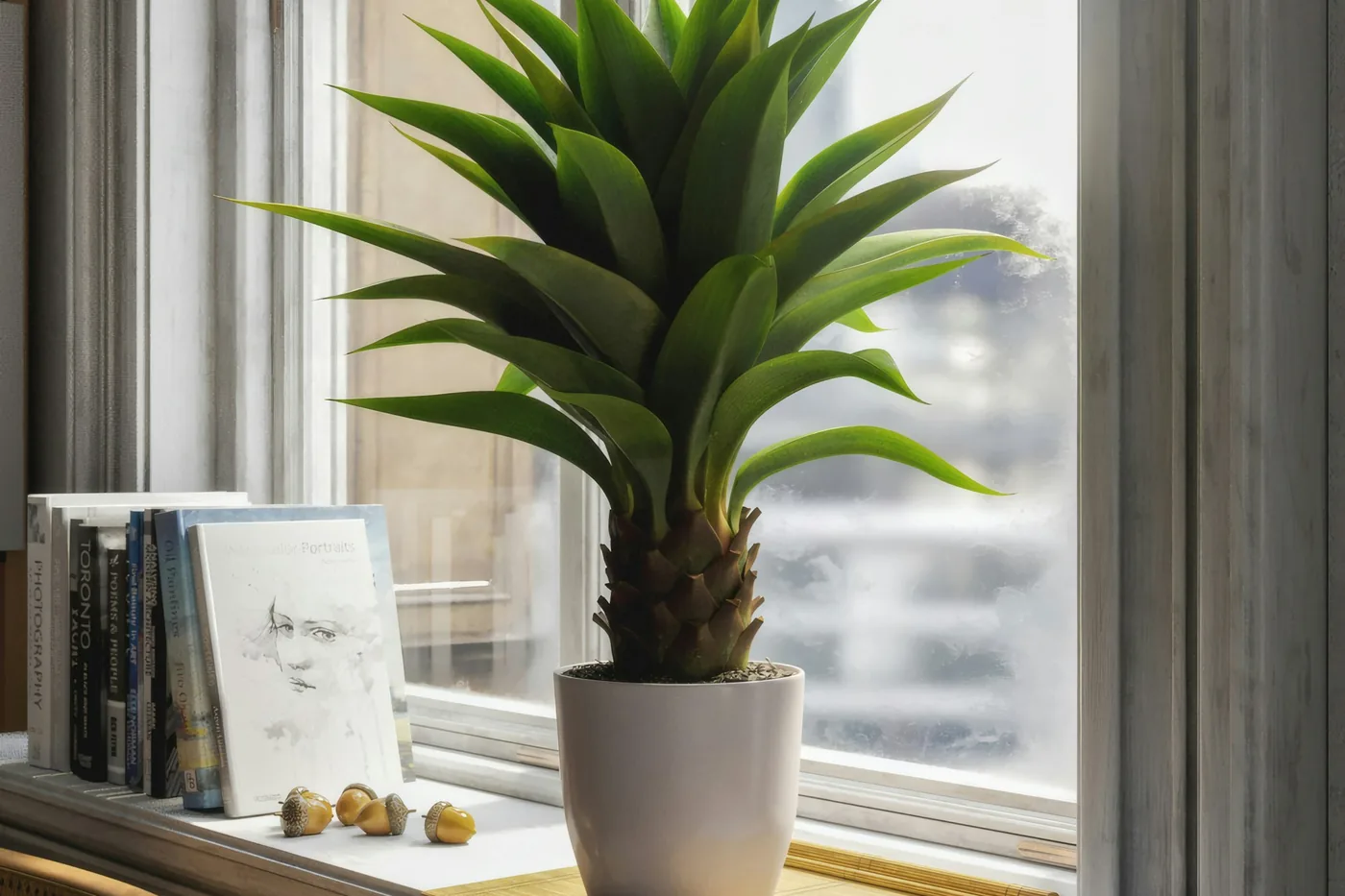
Yucca
Yucca elephantipes
Toxic to cats and dogs
Drought-tolerant and sun-loving. Let it dry out well between waterings; far more likely to be killed by overwatering than neglect.
Toxicity
Toxic Usually mild
Signs, in the ASPCA's words
Dogs, cats: Vomiting; Horses: liver disease, dermatitis
Toxic Usually mild
Signs, in the ASPCA's words
Dogs, cats: Vomiting; Horses: liver disease, dermatitis
Source — ASPCA Animal Poison Control Center, toxic and non-toxic plant list; read from this species' own page
Pet-safety information is a general guide from the ASPCA's toxic-plant database and covers cats and dogs only. "If eaten" summarises the symptoms ASPCA lists for that plant; how an animal actually reacts depends on how much it ate and on the animal. It isn't exhaustive, isn't veterinary advice, and individual animals vary — never rely on it as the sole basis for a decision about your pet. If you think your pet has eaten a harmful plant, contact a vet immediately.
Care
- WaterEvery 10–14 days
- LightDirect sun
- HumidityLow humidity
- Temperature10–27 °C
The same interval the Sabz app schedules reminders from. In autumn and winter the app stretches it; see houseplants in autumn.
Common problems
Yucca trunk soft and yellowing
A soft, yellowing trunk is overwatering and rot, and it is often fatal if left — a yucca stores water and wants a drink every ten to fourteen days in summer, monthly in winter, in gritty compost. Unpot it at once, cut back to firm tissue, let it dry for a few days and repot into dry compost. If the trunk is soft to the base, take the top as a cutting.
Yucca brown leaf tips
Brown tips are dry air or fluoride in tap water. Use rainwater or filtered water, keep it off the radiator, and trim the tips. Nothing to worry about.
Yucca leaves drooping
Drooping leaves on a yucca are almost always soggy roots, not thirst — the leaves lose their stiffness when the roots stop working. Stop watering, let the compost dry right through, and check the base of the trunk is still firm. Water again only when the pot is dry.
Similar plants
- Cardboard Palm toxicZamia furfuracea
- Cabbage Palm toxicCordyline australis
- Canary Island Date Palm safePhoenix canariensis
- Olive unconfirmedOlea europaea
In the app
Add a yucca to Sabz and the watering interval above becomes a reminder, the toxicity verdict sits on the plant's own page, and when a leaf turns, the Check-up reads what you have actually logged to say why.
 Free. No account, no analytics.