Eucalyptus
Eucalyptus species
Toxic to cats and dogs
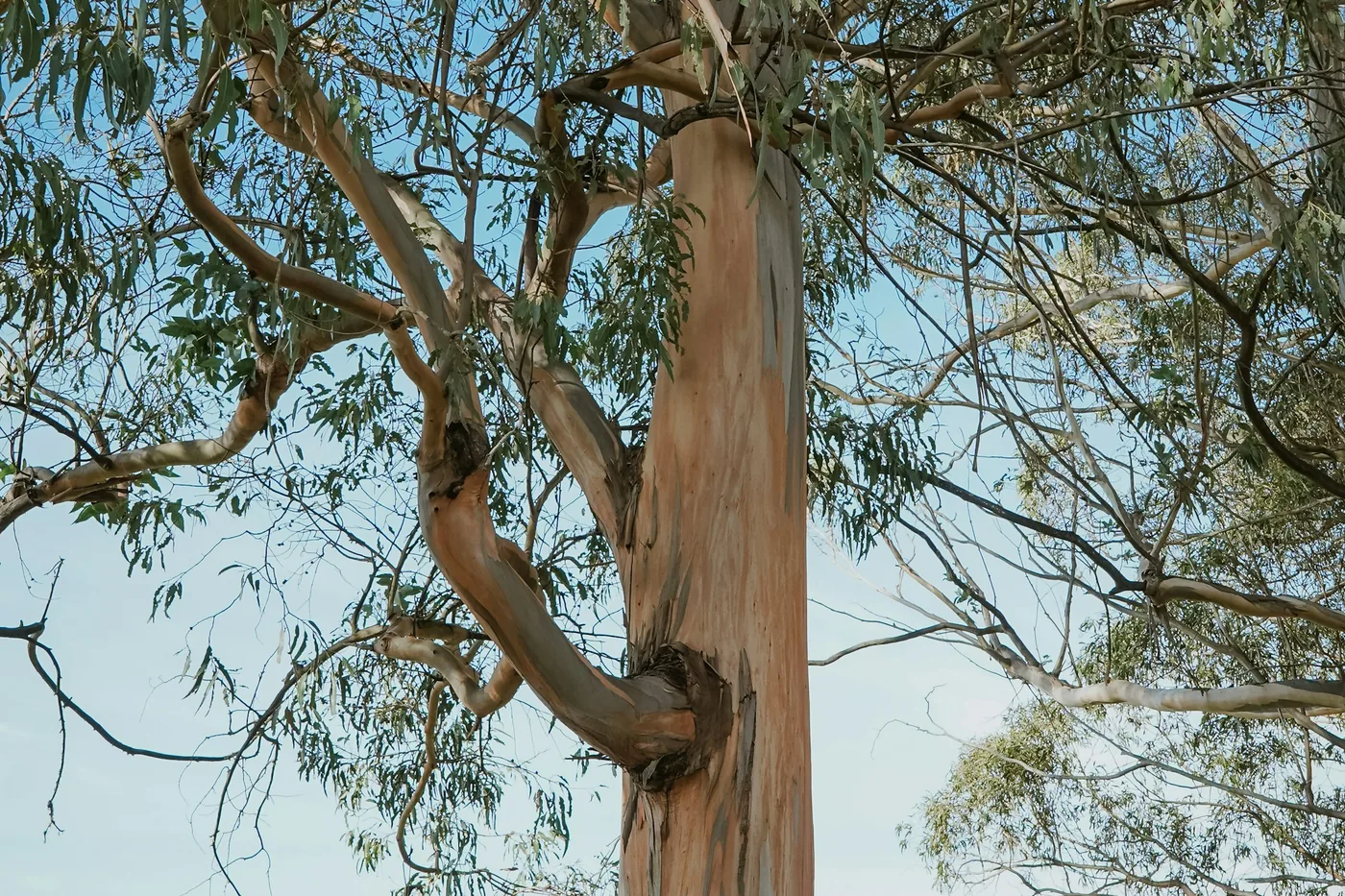
Grows startlingly fast and will not stay the size you bought it. Cut it hard to the base each spring if you want the round juvenile leaves and a manageable shrub; left alone it becomes a tall, brittle, shallow-rooted tree that rocks in wind.
Sabz turns the interval below into a reminder, and the Check-up reads your care history when a leaf turns. Free on the App Store →
Toxicity
Toxic Usually mild
Signs, in the ASPCA's words
Salivation, vomiting, diarrhea, depression, weakness
Toxic Usually mild
Signs, in the ASPCA's words
Salivation, vomiting, diarrhea, depression, weakness
Source — ASPCA Animal Poison Control Center, toxic and non-toxic plant list; read from this species' own page
Safe alternatives to Eucalyptus →The 149 plants in this library recorded non-toxic to both cats and dogs.
Is Eucalyptus poisonous to cats?
Yes. Eucalyptus (Eucalyptus species) is toxic to cats. That verdict is read from the ASPCA's own entry for this species.
Is Eucalyptus safe for dogs?
No. Eucalyptus (Eucalyptus species) is toxic to dogs. That verdict is read from the ASPCA's own entry for this species.
Is Eucalyptus pet safe?
No. Toxic to cats and dogs. Sabz judges cats and dogs separately, and publishes the full list.
Pet-safety information is a general guide from the ASPCA's toxic-plant database and covers cats and dogs only. "If eaten" summarises the symptoms ASPCA lists for that plant; how an animal actually reacts depends on how much it ate and on the animal. It isn't exhaustive, isn't veterinary advice, and individual animals vary — never rely on it as the sole basis for a decision about your pet. If you think your pet has eaten a harmful plant, contact a vet immediately.
Care
- WaterEvery 7–12 days
- LightDirect sun
- HumidityLow humidity
- Temperature-5–30 °C
The same interval the Sabz app schedules reminders from. In autumn and winter the app stretches it; see houseplants in autumn.
Common problems
- Leaves dropping in winter — cold wet roots rather than the cold itself — Dropping leaves →
- Whole plant leaning or rocking — shallow roots on a tree grown too tall; stake or coppice
- Loses the round blue leaves — adult foliage taking over; coppice in spring to bring it back
Propagation
- MethodSeed
- Best timeSpring, with warmth
Seed is the only practical route — cuttings almost never root. Plant it out young, as it resents being pot-bound.
Similar plants
- Canary Island Date Palm safePhoenix canariensis
- Zinnia safeZinnia species
- Olive unconfirmedOlea europaea
- Cabbage Palm toxicCordyline australis
In the app
Add a eucalyptus to Sabz and the watering interval above becomes a reminder, the toxicity verdict sits on the plant's own page, and when a leaf turns, the Check-up reads what you have actually logged to say why.
 Free. No account, no analytics.