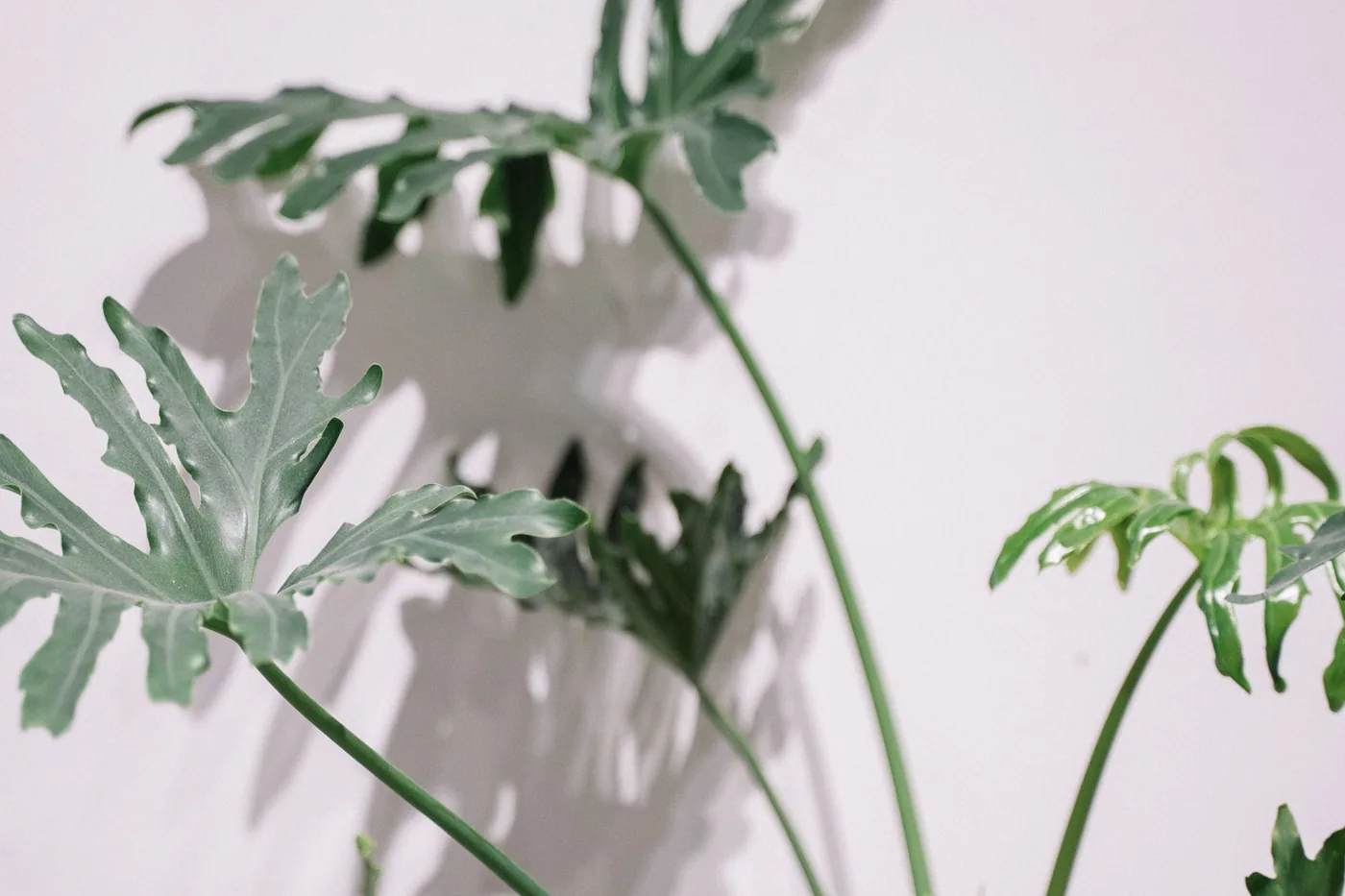
Tree Philodendron
Philodendron bipinnatifidum
Toxic to cats and dogs
A big, bold philodendron with deeply lobed leaves. Let the top few centimetres dry between waterings; it wants room and bright indirect light. Toxic to pets like all philodendrons.
Sabz turns the interval below into a reminder, and the Check-up reads your care history when a leaf turns. Free on the App Store →
Toxicity
Toxic Usually mild
Signs, in the ASPCA's words
Oral irritation, intense burning and irritation of the mouth, lips, tongue, excessive drooling, vomiting, difficulty in swallowing.
Toxic Usually mild
Signs, in the ASPCA's words
Oral irritation, intense burning and irritation of the mouth, lips, tongue, excessive drooling, vomiting, difficulty in swallowing.
Source — ASPCA Animal Poison Control Center, toxic and non-toxic plant list; read from this species' own page
Safe alternatives to Tree Philodendron →The 149 plants in this library recorded non-toxic to both cats and dogs.
Is Tree Philodendron poisonous to cats?
Yes. Tree Philodendron (Philodendron bipinnatifidum) is toxic to cats. That verdict is read from the ASPCA's own entry for this species.
Is Tree Philodendron safe for dogs?
No. Tree Philodendron (Philodendron bipinnatifidum) is toxic to dogs. That verdict is read from the ASPCA's own entry for this species.
Is Tree Philodendron pet safe?
No. Toxic to cats and dogs. Sabz judges cats and dogs separately, and publishes the full list.
Pet-safety information is a general guide from the ASPCA's toxic-plant database and covers cats and dogs only. "If eaten" summarises the symptoms ASPCA lists for that plant; how an animal actually reacts depends on how much it ate and on the animal. It isn't exhaustive, isn't veterinary advice, and individual animals vary — never rely on it as the sole basis for a decision about your pet. If you think your pet has eaten a harmful plant, contact a vet immediately.
Care
- WaterEvery 7–10 days
- LightBright, indirect
- HumidityAverage humidity
- Temperature18–27 °C
The same interval the Sabz app schedules reminders from. In autumn and winter the app stretches it; see houseplants in autumn.
Common problems
- Yellowing lower leaves — overwatering — Overwatering →
- Brown tips — dry air or tap-water salts
- Drooping — under- or over-watered; check the soil
Propagation
- MethodOffsets
- Best timeSpring
Basal offsets with roots attached. The trunk can also be air layered once it goes bare.
Similar plants
- Air Plant safeTillandsia
- Wax Plant safeHoya carnosa
- Heartleaf Philodendron toxicPhilodendron hederaceum
- Bird of Paradise toxicStrelitzia reginae
In the app
Add a tree philodendron to Sabz and the watering interval above becomes a reminder, the toxicity verdict sits on the plant's own page, and when a leaf turns, the Check-up reads what you have actually logged to say why.
 Free. No account, no analytics.