Plant library / Safe for cats & dogs
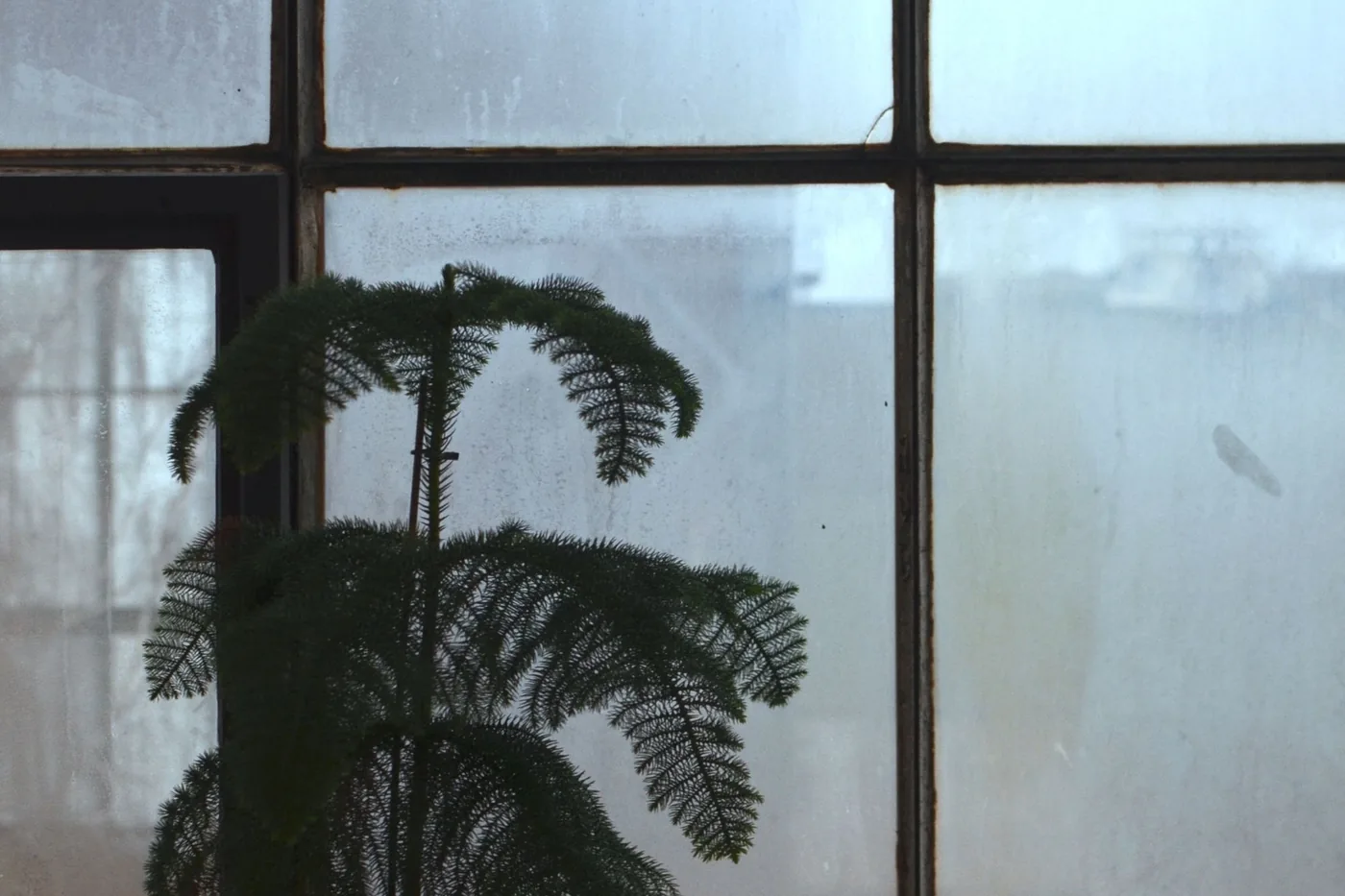
Norfolk Island Pine
Araucaria heterophylla
Non-toxic to cats and dogs
A soft-needled indoor conifer that wants bright light and even moisture — never bone dry, never soggy. Won't tolerate hard frost. Toxic to pets.
Toxicity
Safe
Not known to be toxic to cats.
Safe
Not known to be toxic to dogs.
Source — ASPCA Animal Poison Control Center, toxic and non-toxic plant list; read from this species' own page
Pet-safety information is a general guide from the ASPCA's toxic-plant database and covers cats and dogs only. "If eaten" summarises the symptoms ASPCA lists for that plant; how an animal actually reacts depends on how much it ate and on the animal. It isn't exhaustive, isn't veterinary advice, and individual animals vary — never rely on it as the sole basis for a decision about your pet. If you think your pet has eaten a harmful plant, contact a vet immediately.
Care
- WaterEvery 7–10 days
- LightBright, indirect
- HumidityAverage humidity
- Temperature15–24 °C
The same interval the Sabz app schedules reminders from. In autumn and winter the app stretches it; see houseplants in autumn.
Common problems
- Browning lower branches — dry air or underwatering — Underwatering →
- Drooping branches — too little light
- Yellowing — overwatering — Overwatering →
Similar plants
- Air Plant safeTillandsia
- Bird of Paradise toxicStrelitzia reginae
- Fiddle Leaf Fig toxicFicus lyrata
- Satin Pothos toxicScindapsus pictus
In the app
Add a norfolk island pine to Sabz and the watering interval above becomes a reminder, the toxicity verdict sits on the plant's own page, and when a leaf turns, the Check-up reads what you have actually logged to say why.
 Free. No account, no analytics.